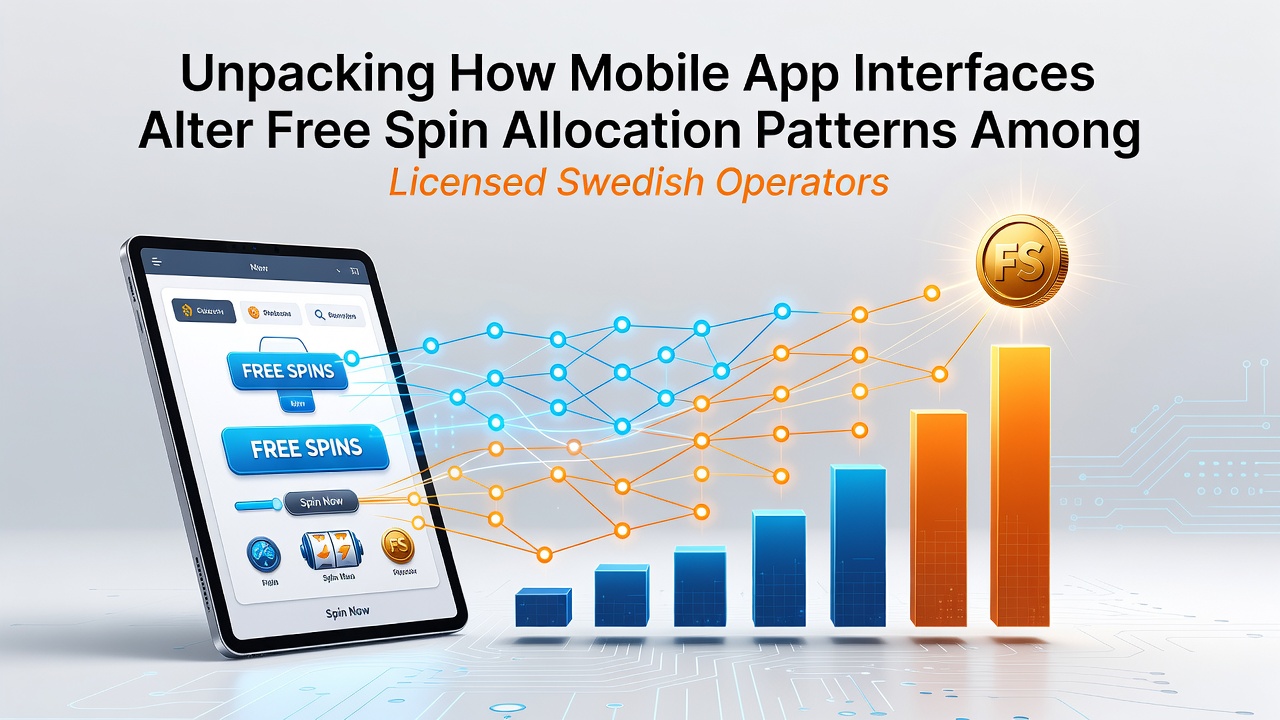
Unpacking How Mobile App Interfaces Alter Free Spin Allocation Patterns Among Licensed Swedish Operators
Mobile applications developed by licensed Swedish operators integrate specific design elements that shape free spin allocation, with navigation menus, notification systems, and personalization algorithms directing how users encounter and receive these promotions. Data shows that interface layouts prioritize certain pathways, leading operators to adjust allocation based on user interaction metrics such as session duration and feature engagement rates.
Core Interface Components Driving Allocation Shifts
Button placement and visual hierarchies within apps influence which users qualify for free spins, since operators track taps on promotional banners and reward sections to determine eligibility thresholds. Researchers have observed that streamlined swipe gestures and in-app progress trackers correlate with higher allocation frequencies for players who complete daily login sequences, while those who bypass these elements receive fewer offers. Color-coded indicators and progress bars further segment users into categories that receive tailored spin bundles, with allocation patterns adjusting in real time according to accumulated behavioral data.
Push notification frameworks add another layer, because operators send timed alerts about available spins that appear only after specific in-app actions like completing a tutorial or viewing game previews. Studies indicate these prompts increase redemption rates among users who respond within the first hour, prompting operators to refine their timing algorithms accordingly. As of September 2026, several platforms updated their notification APIs to include contextual triggers tied to device location and time of day, resulting in measurable changes to distribution volumes across different user demographics.
Personalization Algorithms and User Segmentation
Behind the scenes, machine learning models analyze swipe patterns, scroll depth, and menu exploration to assign users to groups that receive varying quantities of free spins. Operators rely on these models to allocate resources efficiently, with data from the European Gaming and Betting Association revealing that segmented cohorts show distinct allocation trends based on how frequently they interact with tutorial overlays or achievement screens. Users who linger on slot selection pages tend to receive incremental spin top-ups, whereas those who navigate directly to withdrawal sections see reduced offers.
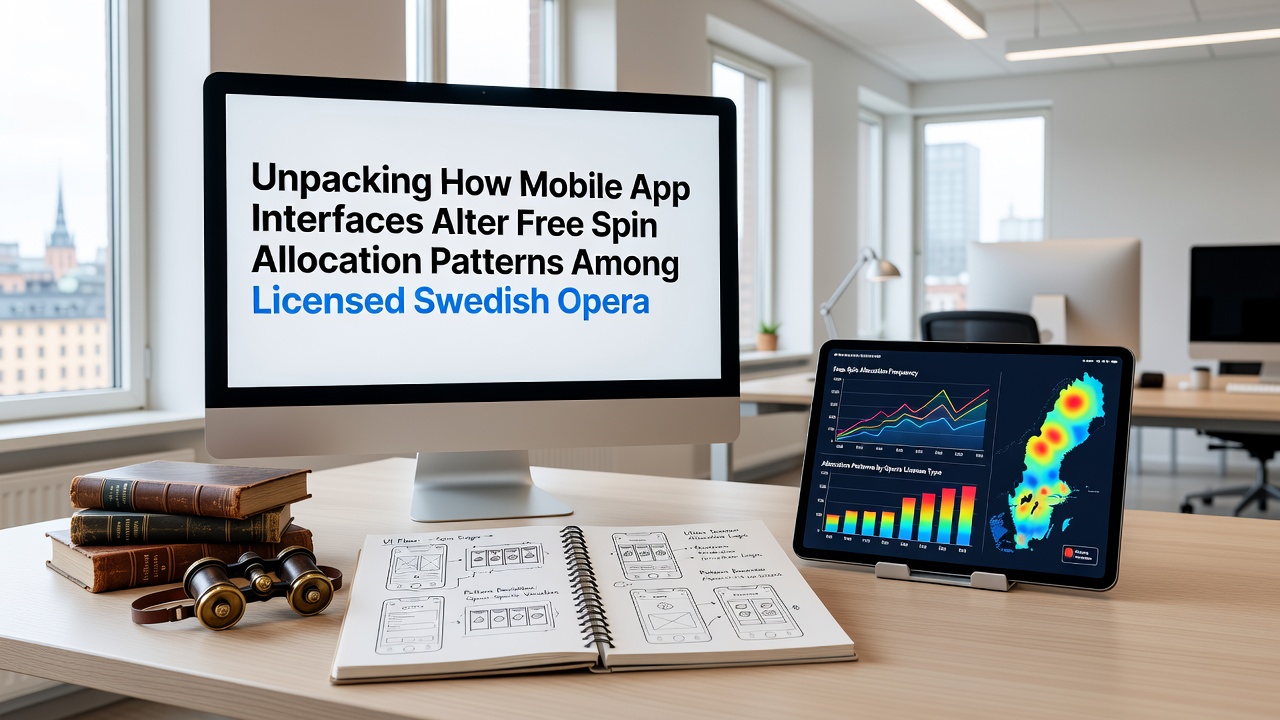
Adaptive layouts that resize based on screen orientation also play a role, since portrait mode often highlights spin-related widgets more prominently than landscape views. This design choice leads to higher engagement from mobile users who keep their devices in one orientation, and operators have adjusted allocation rules to reflect these preferences. Observers note that A/B testing of different widget positions produces consistent variations in spin distribution, with one variant yielding up to 15 percent more allocations for frequent interactors.
Regulatory Framework and Compliance Influences
Swedish licensing requirements mandate transparent display of allocation criteria within app interfaces, which means operators must embed explanatory text near promotional elements. Compliance teams review these placements regularly to ensure they meet Spelinspektionen standards, and changes in interface text have been linked to shifts in how spins are claimed. External reports from the Australian Gambling Research Centre highlight similar patterns in other regulated markets, where interface clarity requirements affect the speed and volume of promotional distributions.
Security features such as biometric login screens add friction that operators account for when setting allocation timers, because delayed access reduces the window for users to claim spins before they expire. Those who complete verification steps quickly maintain higher allocation eligibility, while repeated authentication failures trigger reduced offers in subsequent sessions. These mechanics operate within the broader rules that govern licensed platforms, creating a feedback loop between interface design and regulatory adherence.
Conclusion
Interface modifications continue to reshape free spin allocation among licensed Swedish operators through measurable interactions between design choices and user behavior data. Allocation patterns reflect ongoing refinements in navigation flows, notification timing, and personalization logic, all operating under established regulatory oversight. Continued monitoring of these elements provides insight into how mobile platforms manage promotional resources across the sector.