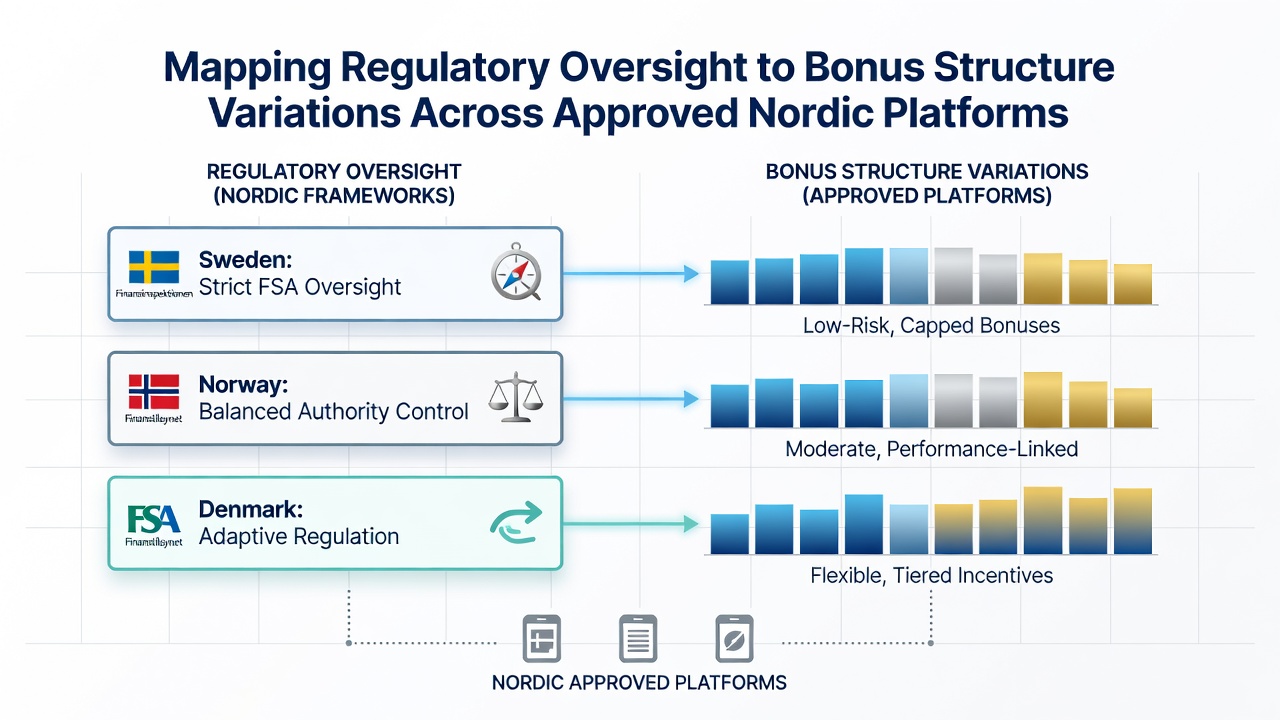
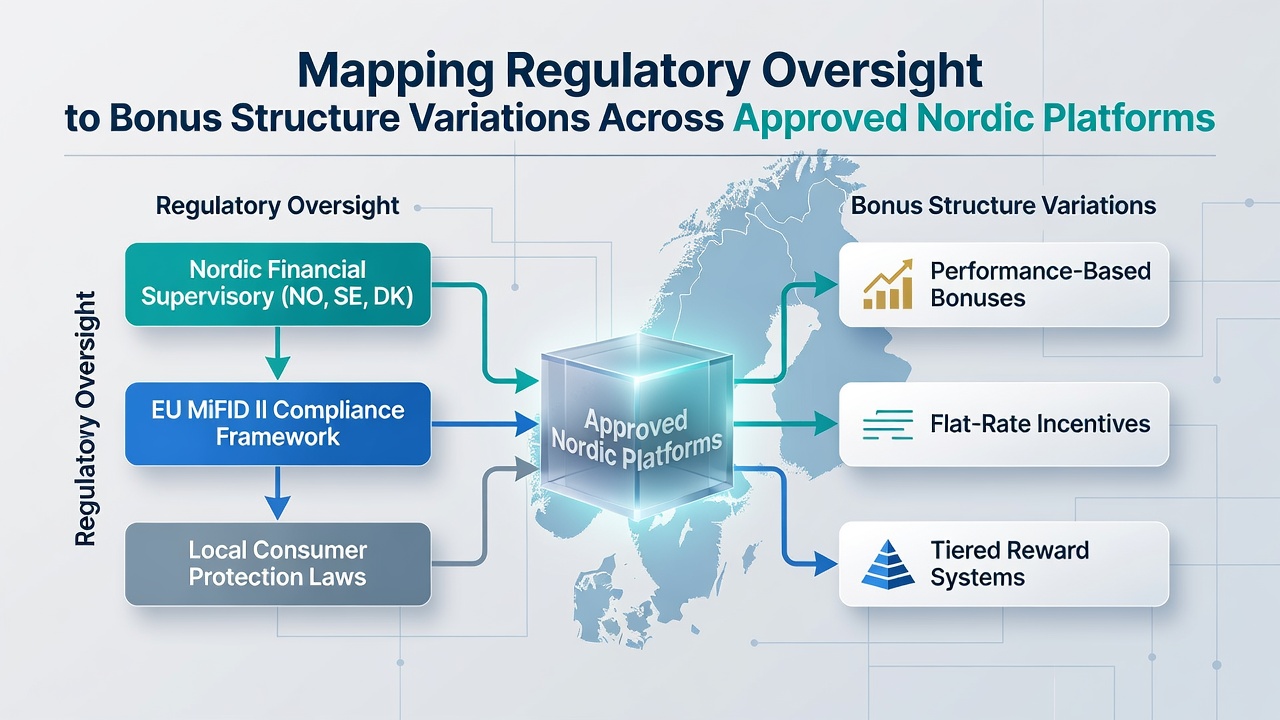
Mapping Regulatory Oversight to Bonus Structure Variations Across Approved Nordic Platforms
Regulatory bodies across the Nordic region maintain distinct oversight mechanisms that directly shape the bonus structures available on approved platforms, and these differences emerge clearly when comparing frameworks in Sweden, Denmark, Norway, and Finland. Data compiled by national authorities shows how licensing conditions translate into specific rules around welcome offers, deposit matches, and free spin allocations, with each jurisdiction applying its own limits on wagering requirements and bonus validity periods.
Swedish Oversight and Bonus Caps
Sweden's Spelinspektionen enforces strict conditions on promotional rewards, requiring operators to align bonus values with documented player activity levels, and this approach stems from amendments introduced in prior regulatory cycles that carried forward into 2026. Figures released in September 2026 indicate that approved platforms must cap initial deposit bonuses at a fixed percentage threshold, while free spin packages remain tied to verified account verification steps that prevent premature redemption. Observers note that such mappings reduce the range of high-value offers compared to less restrictive markets, yet they allow recurring loyalty rewards when operators demonstrate compliance through quarterly audits.
Danish Framework and Flexible Structures
Denmark's Spillemyndigheden adopts a model that permits greater variation in bonus formats, provided each structure undergoes pre-approval and aligns with responsible play reporting standards. Studies from industry research groups reveal that Danish platforms often feature tiered bonus ladders where higher deposit tiers unlock additional free rounds, and these variations connect directly to the authority's emphasis on transparent terms that appear in player agreements. One analysis of licensed operators found that average wagering multipliers stay lower than in neighboring countries because the regulator requires explicit disclosure of all play-through conditions before any bonus activates.
Norway operates under a state-controlled monopoly that limits private platform access, which in turn restricts bonus availability to a narrow set of state-approved promotions rather than competitive market offers. This structure means bonus variations remain minimal, with any rewards issued through centralized systems that prioritize fixed amounts over percentage-based matches. Data from government reports highlights how this centralized approach eliminates the need for complex mapping exercises since oversight flows through a single entity.
Finnish Regulatory Mapping
Finland's system, managed through Veikkaus oversight and related agencies, ties bonus structures to national lottery and gambling laws that underwent review cycles extending into late 2026. Researchers have documented how these rules channel promotional rewards into specific categories such as game-specific credits rather than broad cash equivalents, and the mapping ensures all offers undergo testing for fairness before release. External comparisons with non-Nordic frameworks, including reports from the Australian Gambling Research Centre, show that Finnish limits on bonus stacking create clearer patterns of redemption behavior across approved sites.
Cross-Border Patterns and Compliance Data
Patterns emerge when regulators exchange information through Nordic cooperation channels, and evidence from joint working groups indicates that shared standards on bonus duration and eligibility help standardize certain elements while preserving national differences. Platforms operating across multiple jurisdictions must therefore maintain separate bonus ledgers to satisfy each authority's requirements, a process that September 2026 compliance filings show has increased administrative tracking among larger operators. Academic papers from European research institutions further illustrate how these mappings affect the distribution of free spin volumes, with stricter oversight correlating to lower average quantities per promotion cycle.
Conclusion
The connections between regulatory oversight and bonus structure variations across approved Nordic platforms rest on documented licensing conditions, compliance reporting, and periodic data releases from national bodies. These frameworks continue to evolve through updates such as those referenced in September 2026 filings, and the resulting structures reflect each country's approach to balancing player incentives with supervisory controls. Further examination of official regulatory publications provides ongoing insight into how these mappings develop over time.