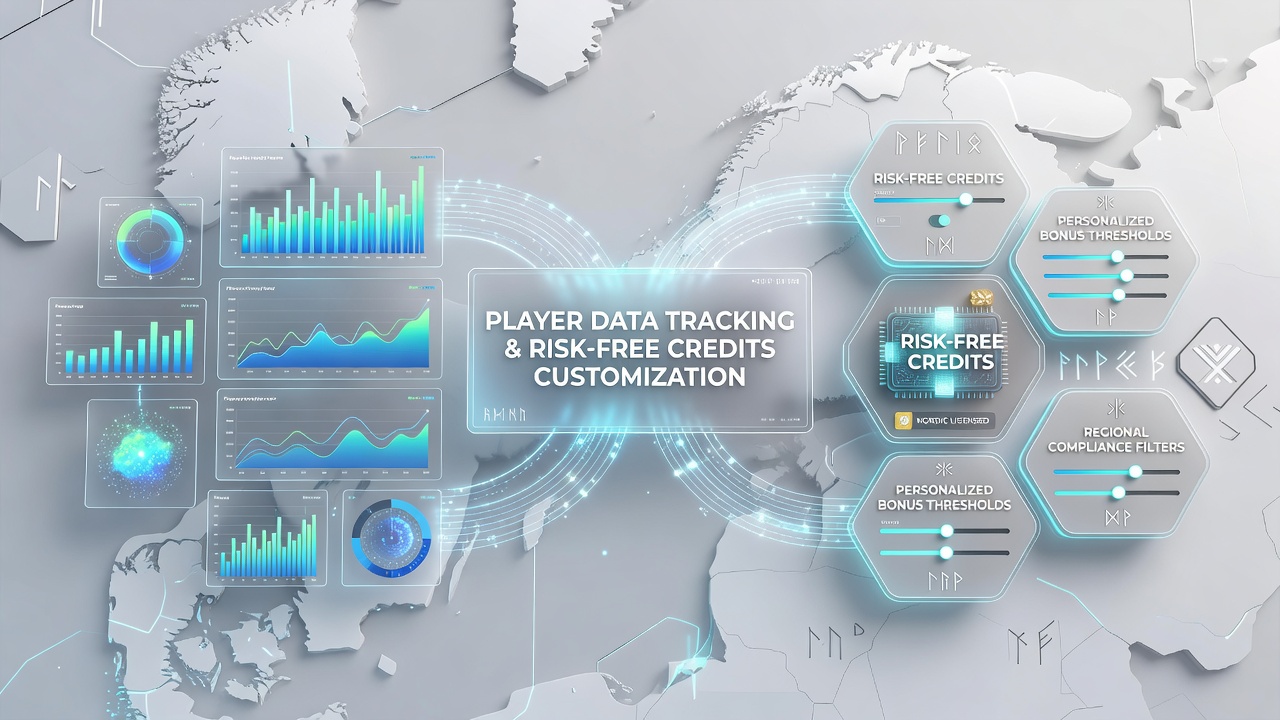
How Player Data Tracking Tools Influence the Customization of Risk-Free Credits Across Licensed Nordic Gaming Environments
Player data tracking tools collect detailed information on gaming patterns, session durations, deposit frequencies, and withdrawal behaviors across licensed Nordic platforms, and these systems feed directly into algorithms that adjust the structure and distribution of risk-free credits such as no-deposit bonuses or free play offers. Operators in Sweden, Denmark, and Norway integrate these tools with regulatory compliance frameworks to ensure offers remain tailored while adhering to local licensing requirements, and data points like average bet sizes or game preferences help determine eligibility thresholds for personalized credit amounts.
Regulatory bodies enforce strict guidelines on how this information gets used, and the Swedish Spelinspektionen requires operators to maintain transparent records of data processing activities that influence promotional structures. Similar oversight exists in Denmark through the Spillemyndigheden, where tracking systems must demonstrate clear separation between marketing customization and responsible gambling safeguards, while Norway's Norsk Tipping employs centralized data protocols that limit how private operators can segment credit offers based on individual profiles.
Data Collection Mechanisms in Regulated Markets
Tracking tools rely on real-time monitoring of player accounts, and they capture metrics including time spent on specific titles, response rates to previous promotions, and patterns in bonus redemption, which then inform dynamic adjustments to credit values. Licensed platforms combine this information with anonymized cohort analysis to create offer tiers, and the process ensures that risk-free credits align with observed player activity levels rather than applying uniform distributions across all users.
Research indicates that these systems process thousands of data points per session, and integration with third-party analytics platforms allows for more precise segmentation while operators maintain compliance with GDPR provisions that govern personal data handling in the Nordic region. Figures from industry reports show increased adoption of machine learning models that predict optimal credit amounts based on historical engagement data, and such models operate within boundaries set by national gaming authorities to prevent over-personalization that could encourage excessive play.
Customization Processes for Risk-Free Credits
Algorithms analyze past interactions to modify parameters like wagering requirements, validity periods, and maximum credit values, and this results in offers that reflect individual risk profiles derived from tracked behaviors. For instance, players who demonstrate consistent low-stakes activity might receive smaller credit packages with reduced playthrough conditions, whereas higher-volume participants encounter scaled offers that match their established patterns, and all adjustments occur through automated systems that update in real time.
Operators in Finland and Iceland have implemented similar frameworks, and data sharing across affiliated platforms enables cross-border consistency in how risk-free credits get customized under unified Nordic regulatory standards. External audits verify that these customizations do not violate fairness rules, and compliance documentation must detail the specific data inputs used for each offer category.
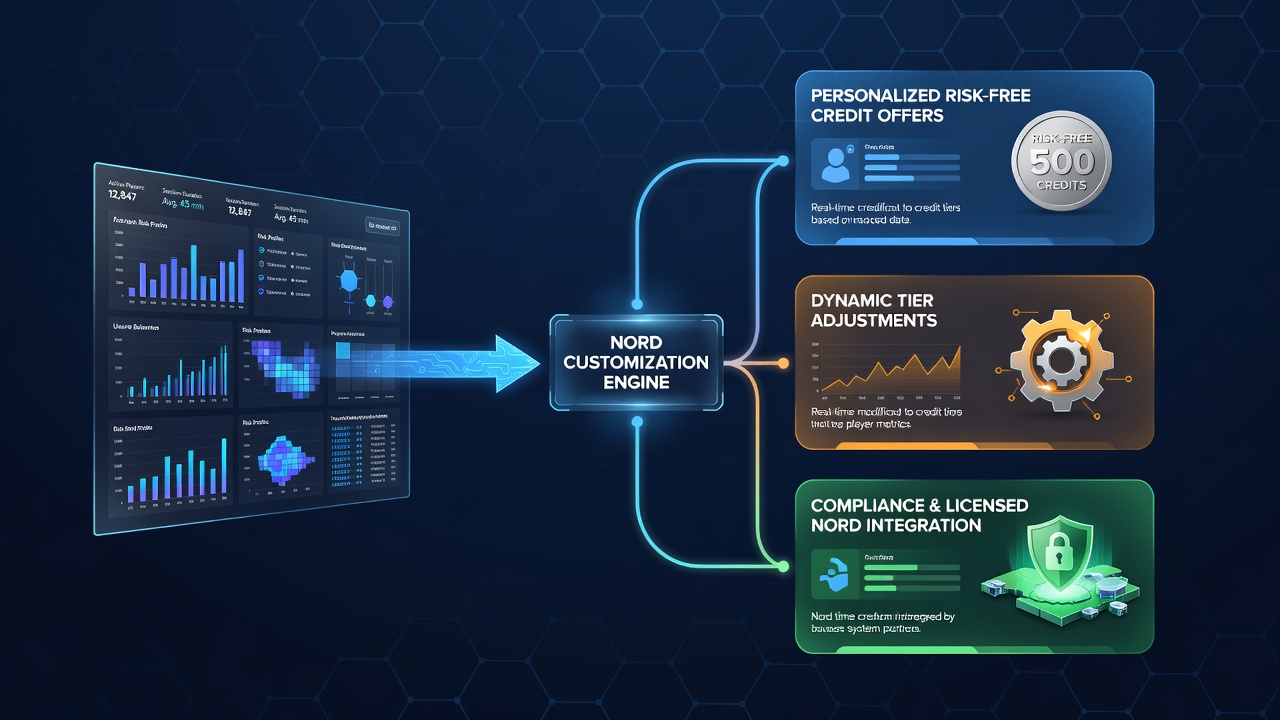
Regulatory Updates and Implementation Timelines
Changes scheduled for September 2026 will introduce enhanced data portability requirements across Nordic jurisdictions, and these updates mandate that players gain easier access to the datasets influencing their credit offers while operators must provide clearer explanations of algorithmic decision-making. The Norwegian Institute of Public Health has contributed research on behavioral indicators that support these evolving standards, and findings highlight correlations between tracked session data and responsible credit allocation practices.
European Commission guidelines on digital services further shape how tracking tools interface with promotional systems, and they emphasize audit trails that document every customization step from raw data to final credit delivery. Licensed operators must adapt their platforms accordingly, and integration testing phases have already begun in several markets to prepare for the deadline.
Impact on Player Segmentation and Offer Delivery
Segmentation models divide users into categories based on engagement frequency and spend velocity, and risk-free credits then get assigned through rules that prioritize retention metrics without exceeding regulatory caps on promotional intensity. Case examples from Danish platforms illustrate how data on game type preferences leads to targeted free credits for slots versus table games, and such specificity increases redemption rates while maintaining compliance documentation.
Industry associations like the European Gaming and Betting Association track these developments through member surveys, and reports show that data-driven customization reduces instances of unused promotional balances across regulated environments. Observers note that the combination of tracking precision and regulatory oversight creates a balanced approach where credits reflect actual player needs derived from verifiable patterns.
Conclusion
Player data tracking tools continue to refine how risk-free credits get customized in licensed Nordic gaming environments through structured collection, analysis, and regulatory alignment, and the upcoming September 2026 protocols will further standardize these processes. Data from sources such as the Danish Gambling Authority and studies by the University of Oslo demonstrate measurable effects on offer personalization while preserving market integrity. Operators maintain these systems within defined legal parameters, and ongoing developments ensure that customization remains both effective and accountable across the region.