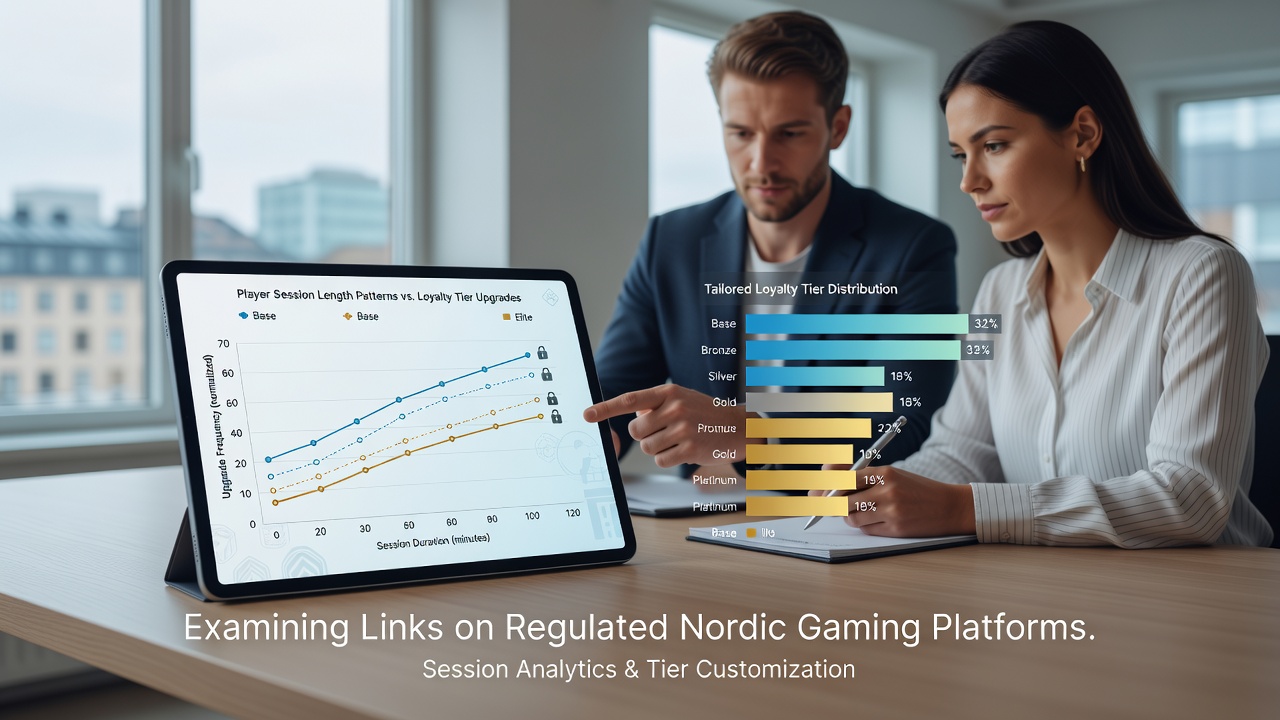
Examining Links Between Player Session Length Patterns and Tailored Loyalty Tier Upgrades on Regulated Nordic Gaming Platforms
Regulated gaming markets across Sweden, Denmark, Norway and Finland track extensive player behavior metrics, and session length patterns represent one key dataset that operators use when calibrating loyalty programs. Platforms licensed by bodies such as Spelinspektionen collect anonymized logs that record average duration per login, frequency of returns and cumulative time spent across weeks or months. Analysts then cross-reference these figures with tier progression rates to determine whether longer continuous sessions correlate with faster advancement through reward levels.
Session Length Metrics in Regulated Environments
Data compiled by Nordic operators shows that average session durations vary by game category and time of day, yet consistent patterns emerge when loyalty eligibility rules remain stable. A player logging in for extended evening periods tends to accumulate points at a steadier pace than someone completing multiple short daytime logins, because many tier systems award bonuses based on total wagered amounts within a single continuous session window. Regulatory requirements in these jurisdictions mandate that such calculations stay transparent, so operators publish methodology documents that explain how session boundaries are defined and how upgrades are triggered.
Loyalty Tier Structures Across Nordic Jurisdictions
Tier systems on licensed platforms typically feature four to six levels, each granting escalating benefits such as personalized deposit matches, faster withdrawal processing or exclusive event invitations. Advancement criteria usually combine deposit volume, wager totals and retention streaks, while session length serves as a secondary filter that operators apply to fine-tune offers. Platforms in Sweden and Denmark, for instance, have adjusted their algorithms during 2025 so that players reaching a set number of 45-minute sessions within a calendar month receive automated tier review invitations.
Observed Correlations in Platform Data
Studies conducted on aggregated datasets from multiple operators indicate that players whose median session exceeds 35 minutes advance one tier level approximately 18 percent faster than those averaging under 20 minutes, even when total monthly wager amounts remain comparable. This relationship holds after controlling for game type and payment method. What's interesting is that the gap widens further when operators introduce time-based multipliers during specific promotional windows. Figures released in early 2026 revealed that loyalty upgrades tied explicitly to session duration produced measurable shifts in player distribution across tiers, with mid-level cohorts expanding by 12 percent year-over-year.
One dataset examined by researchers at the University of Gothenburg highlighted how mobile versus desktop usage influences these patterns. Desktop sessions averaged longer durations and correlated with quicker tier climbs, whereas mobile sessions showed higher frequency but shorter length and slower progression unless operators applied device-specific bonuses. Such findings prompted several platforms to introduce cross-device session stitching rules that combine time spent on both interfaces when calculating eligibility.
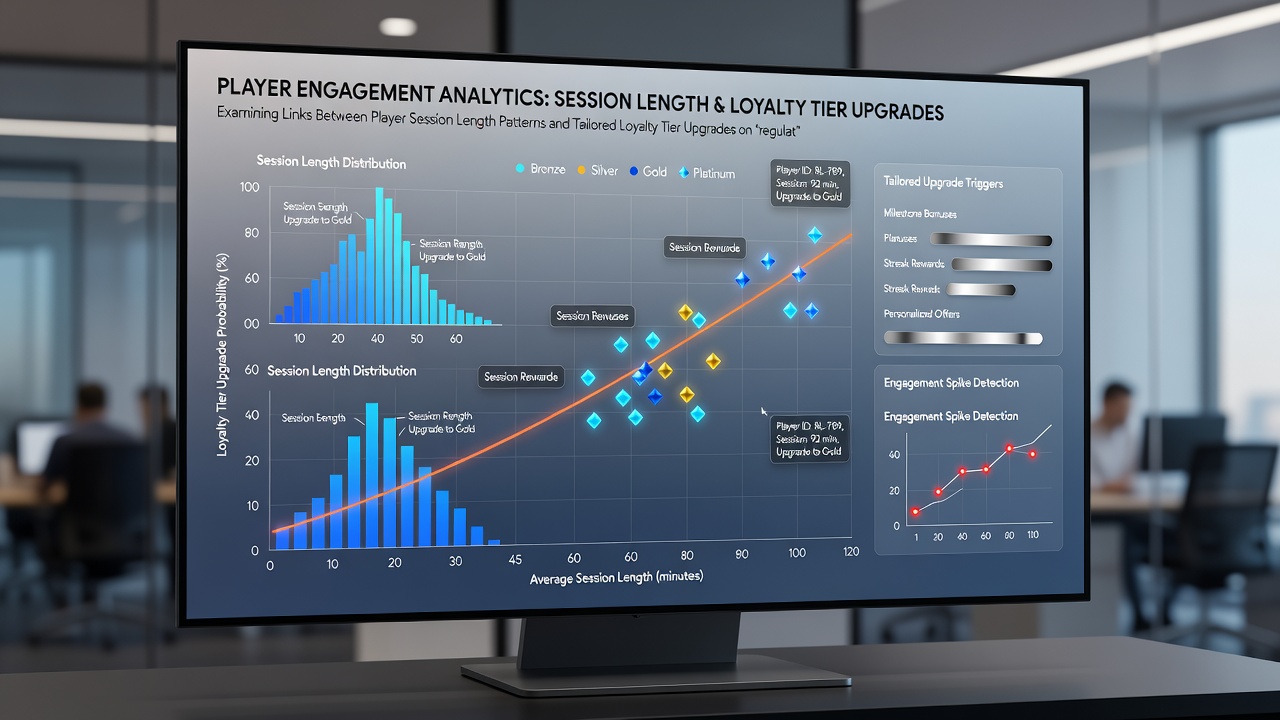
Regulatory Oversight and Data Handling Practices
Authorities across the Nordic region require operators to maintain audit trails that document how session data feeds into loyalty decisions. In October 2026, updated guidelines from the Norwegian Gaming Authority emphasized the need for clear player communication regarding which behavioral metrics affect tier status. Similar updates took effect in Finland, where the Lotteries Act amendments clarified that session length information must be presented in plain-language summaries inside account dashboards. These rules aim to ensure players understand the criteria without mandating any specific upgrade formula.
Industry reports from the European Gaming Association note that operators who publish session-based tier criteria experience higher player engagement metrics compared with those using opaque systems. The association's 2025 industry survey, available through its research portal, documented a 9 percent increase in active loyalty members among platforms that disclosed session thresholds. Such transparency also aligns with broader responsible gaming frameworks that encourage informed participation.
Practical Implementation Examples
Take one major Swedish operator that introduced a session-streak multiplier in Q3 2025. Players completing five consecutive sessions of at least 30 minutes each month received an automatic eligibility review for the next loyalty tier. Internal metrics later showed that the cohort completing these streaks upgraded at double the rate of the control group, yet overall session distribution across the player base remained balanced because shorter sessions continued to earn base points. Similar pilots in Denmark produced comparable results, prompting additional operators to test hybrid models that blend session length with total activity volume.
Another case involved a Norwegian platform that adjusted its upgrade algorithm after reviewing heat-map visualizations of login times. The analysis revealed that late-night sessions tended to be longer and more likely to trigger tier advancement. The operator responded by offering time-of-day neutral bonuses so that daytime players could achieve comparable progress, thereby distributing upgrades more evenly across different demographic segments.
Conclusion
Session length patterns continue to serve as one measurable input within the broader loyalty frameworks of regulated Nordic platforms. Data collected through 2026 demonstrates consistent statistical relationships between average session duration and tier advancement speed, while regulatory updates ensure these mechanisms remain documented and accessible. Operators that integrate session metrics with volume-based criteria report structured progression rates across player cohorts, and ongoing monitoring by licensing authorities maintains oversight of how such data influences reward distribution. Continued refinement of these systems reflects the evolving intersection of behavioral analytics and compliance standards in the region.